
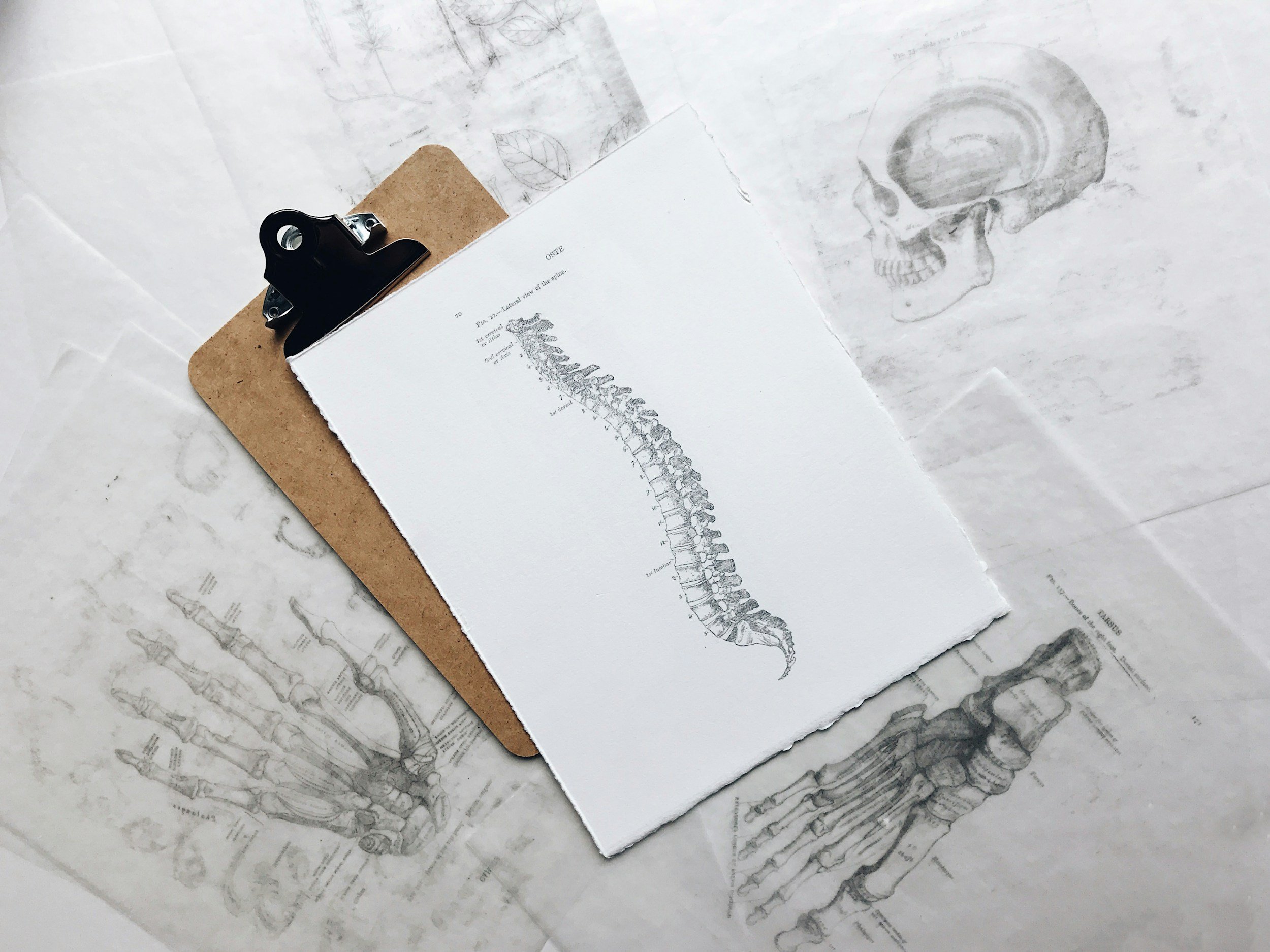
Pain is one of the most misunderstood experiences in healthcare and bodywork.
Together, we’ll explore how the nervous, immune, and endocrine systems shape how we feel and how we heal; and why traditional approaches often miss the mark.
UpcomingLive Masterclasses 2026
Tuesday
October 13 & 20
The Neuroscience of Pain, Posture, and Bodywork
Explore contemporary pain neuroscience and its implications for clinical practice, rehabilitation, and manual therapy. Examine nociception, sensitization, descending modulation, posture, psychosocial influences, and the roles of the nervous, endocrine, and immune systems in pain.
A Special Message
From Dr. O

You Have Questions
➡ Does bad posture really cause pain?
➡ Can improving posture reduce chronic pain?
➡ How do emotions and trauma influence physical pain?
➡ How can hands-on therapies support long-term healing?
➡ How does manual therapy influence pain perception?
➡ What does neuroscience tell us about chronic pain management?
Whether you’re a helping professional, chronic pain patient, or simply fascinated by the human body, this class will help you navigate the complexity of pain with new clarity and confidence.
Earn 8 CE Credits
!
Earn 8 CE Credits !

Earn 8 CE credits while expanding your expertise in bodywork!
This course not only enhances your skills but also fulfills your continuing education requirements.
This course has been approved by the Continuing Education Institute of Illinois (CEII) for continuing education credit for eligible healthcare and helping professions.
Massage therapists may receive CE hours through NCBTMB, New York State, and applicable CE Broker states.
We’ll take complex ideas…
…and distill them into clear, engaging concepts that anyone can understand…

…we’ll even use engaging activities to bring these concepts to life.

Thinking beyond tissues…
matters
Meet Your Teacher
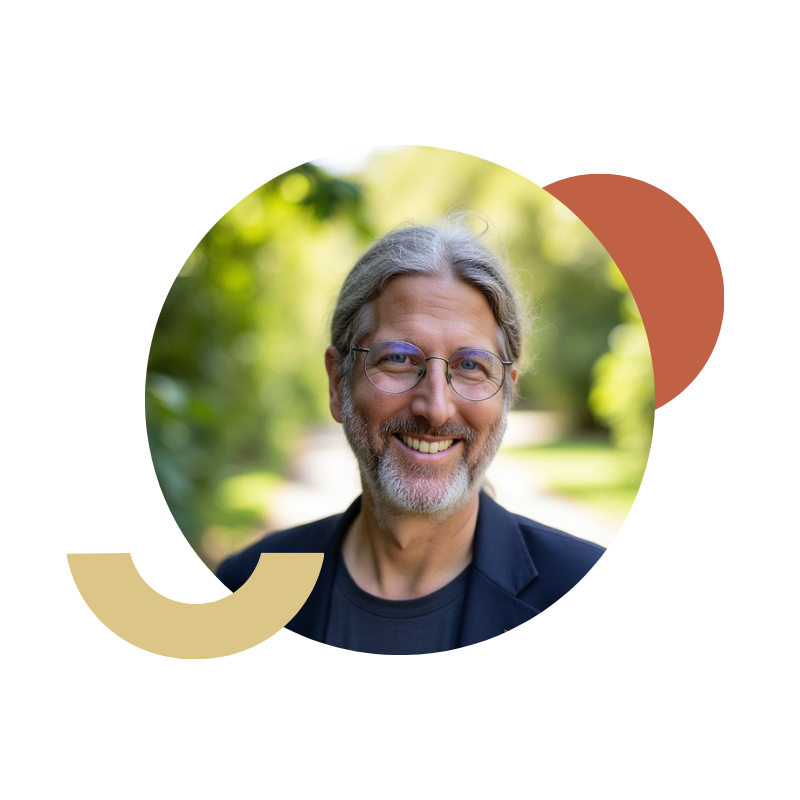
Dr. Olson is the only neuroscientist who teaches a variety of real-time classes in relational skills, trauma, and pain to people who want to improve their relationships.
By delving into the neuroscientific depths of human psychology, we uncover the hidden truths behind our actions and reactions.
The First Live Course Designed to Help You
Differentiate
between approaches to posture and pain
Define
nociception and understand its relationship with pain
Discuss
descending modulation for chronic pain management
Identify
psychosocial and relational factors influencing pain
Spots Fill Up Quickly
Enroll Now To Save Your Seat!


You want to help your clients …
But if you’re like many helping professionals, you’ve probably felt stuck at times—hearing the same complaints about recurring pain and wondering why some people continue to hurt despite appropriate treatment, care, or support.
You may find yourself searching for new approaches to chronic pain, trying different strategies, or reconsidering what might be contributing to someone’s symptoms—only to see the same issues return again and again.
There may be times when you wonder whether the problem is primarily in the tissues, the nervous system, the person’s environment, or the many biological and psychosocial factors that can influence pain. Sometimes, despite your knowledge and experience, it can feel like something is missing.
It took me years of studying neuroscience, bodywork, and pain science to understand why chronic pain can persist—and why looking beyond the tissues can fundamentally change the way we understand and respond to pain.
With The Neuroscience of Pain, Posture, and Bodywork, that understanding is here for you.
Neuroscientific Insights? Check.
Practical Applications? Check.
A Perspective That Goes Beyond Muscles and Tissues? Check.
Without this deeper understanding, it’s easy to focus primarily on where someone hurts, search for structural explanations, or assume that posture or tissue dysfunction must be corrected. When the pain persists, both practitioners and the people they serve can be left wondering why.
In this course, you’ll explore how the nervous, immune, and endocrine systems contribute to the experience and persistence of pain, along with the roles of learning, expectations, stress, context, and other influences. You’ll come away with a more comprehensive understanding of chronic pain and practical ways to apply contemporary pain science within your own professional role.
