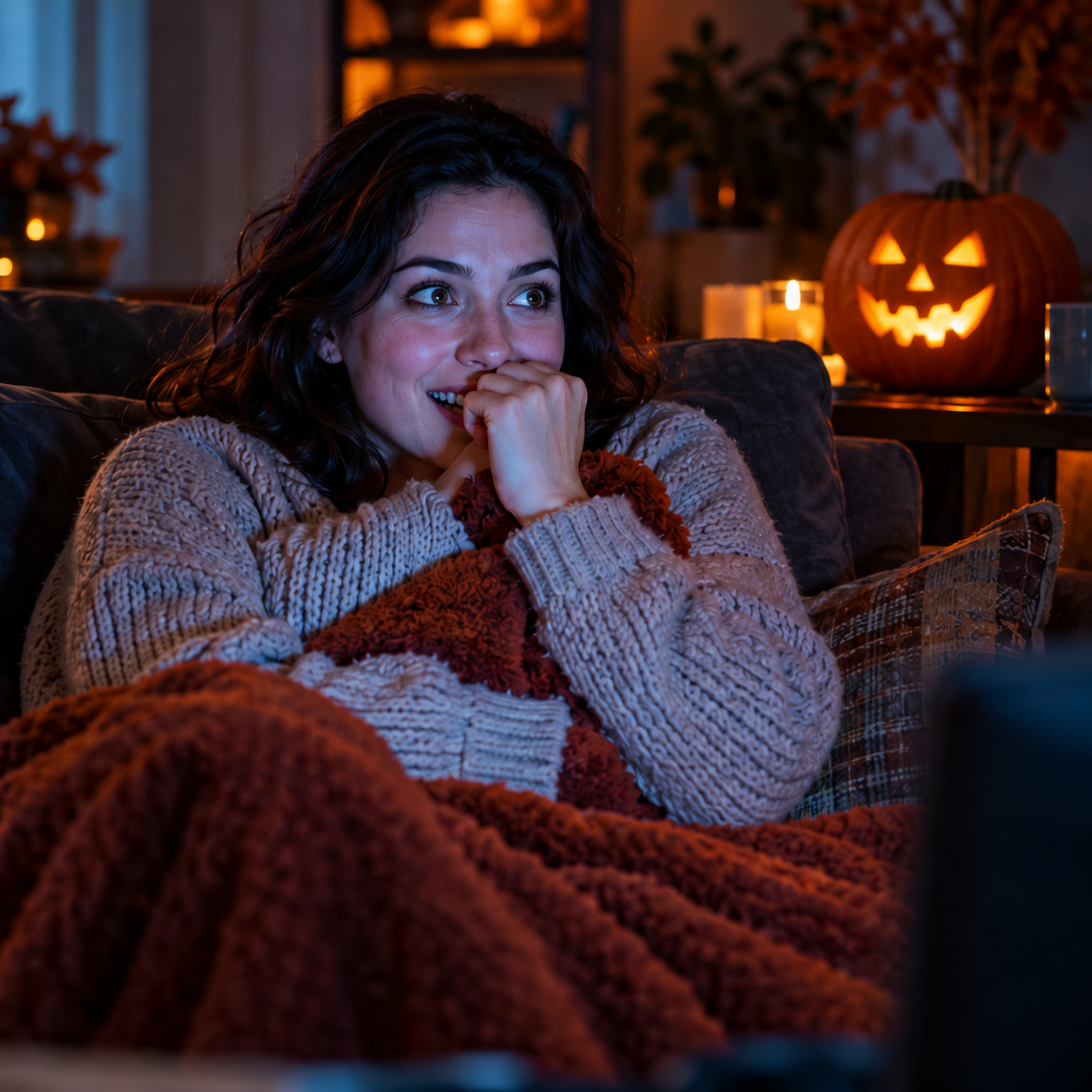
With Halloween approaching, some people (but not me!) are choosing films they expect to find frightening. They’ll tense up, hold their breath, and perhaps scream—and afterward say they had a great time. Though horror films don’t appeal to me, I’m interested in what makes the experience enjoyable for those who love them.
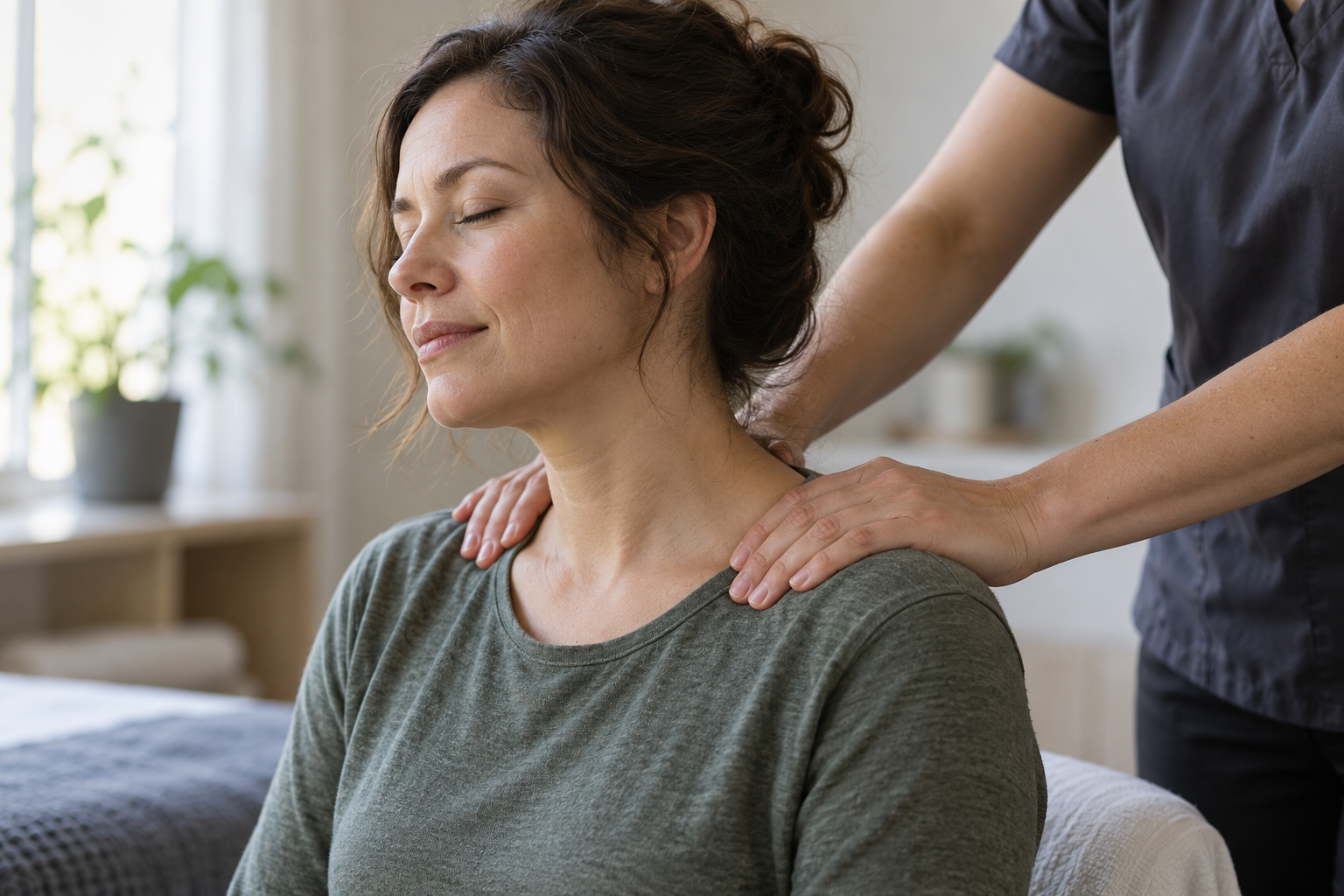
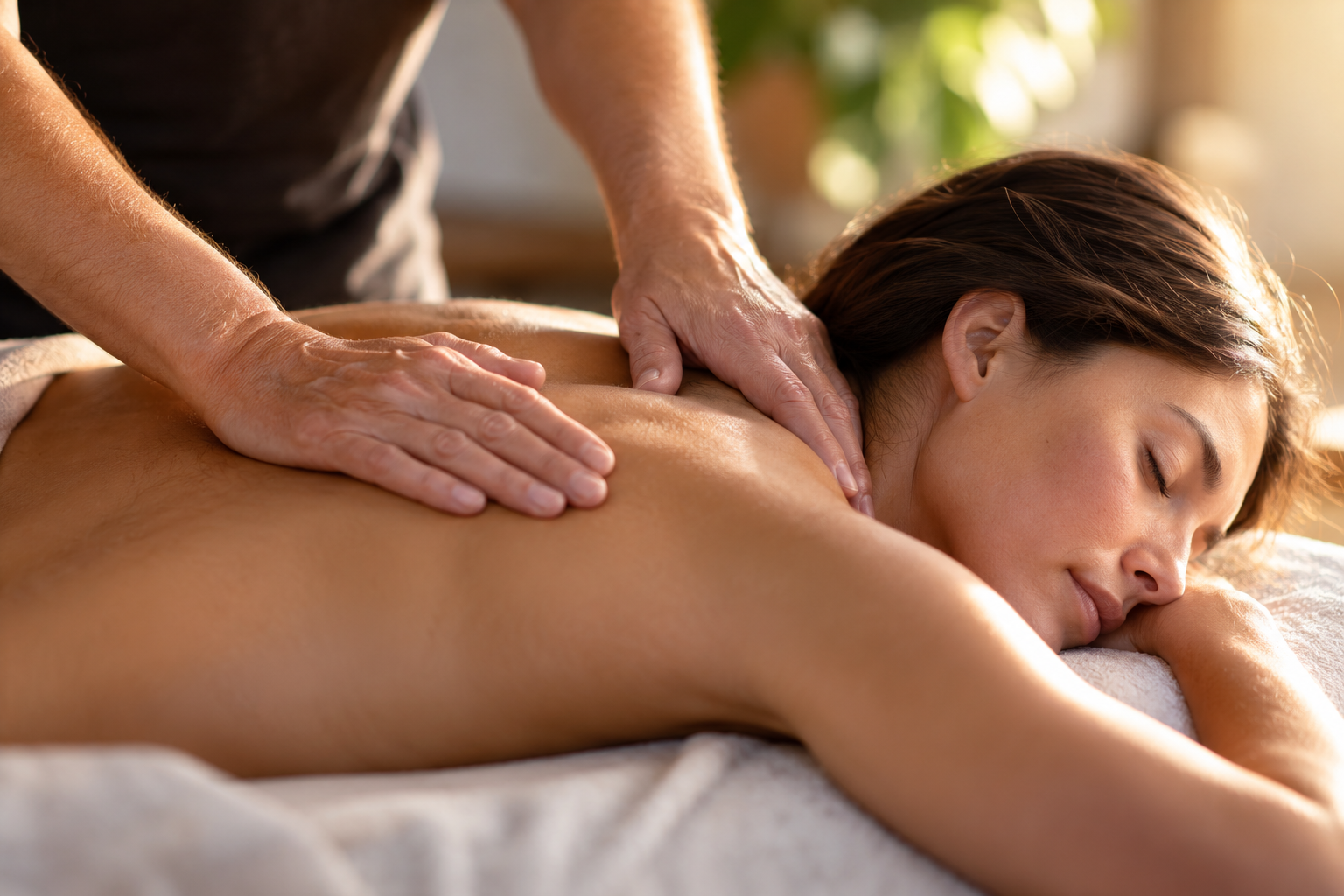
I’m similarly curious about the common phrase one hears during a massage: “That hurts, but it’s good. Stay there.”
Fear and pain ordinarily give us reasons to pull away. Yet sometimes people seek them out and want them to continue. Perhaps part of what they seek is something both experiences can offer: a heightened sense of being present and alive.
More than relief
The most obvious explanation is what comes afterward. A frightening scene ends, and we breathe again. Pressure eases, and a tender area feels more comfortable. Perhaps we endure the discomfort because we enjoy the relief.
Sometimes that is exactly what happens. But it doesn’t fully explain the person who loves the suspense or the massage client who wants the pressure to continue. They aren’t simply waiting for it to be over. Something about being in the experience is worthwhile.
We recognize this elsewhere. People eat food that burns their mouths, ride roller coasters that make their stomachs drop, and listen to music that brings them to tears. Comfort is one thing we seek, but we also seek experiences that move us, absorb us, and make us feel more. The uncomfortable element can contribute to the appeal.
Coming to attention
Before a film, we might be checking our phones and thinking about tomorrow. Then a character hears something upstairs, and the camera lingers on an empty doorway.
Suddenly, a small sound matters. A shadow matters. We notice ourselves holding our breath instead of our phone. Our attention has gathered around what is happening, and the experience feels immediate, even though we know the danger is fictional. For someone who enjoys horror, that heightened engagement may be part of the pleasure.
Strong, welcome pressure during massage can have a similar quality. An area of the body that had been vaguely uncomfortable—or barely noticed—becomes vivid. We feel the pressure change as the therapist moves, notice differences between one spot and another, and follow the sensation as it unfolds. There may be tenderness, but also satisfaction. “Stay there” can mean that something compelling is happening right now.
In both cases, intensity may interrupt our usual mental activity. For a while, we are less occupied with what happened earlier or what we need to do next. The experience gives us something immediate to attend to.
We might describe these moments as making us feel “more alive.” But is that the same as being more present?
Present and alive
Being present and feeling alive seem closely related, but I don’t think they are interchangeable. We can be quietly present while listening to rain or feeling the warmth of a hand. Our attention rests with what is happening, without any particular sense of heightened vitality.
Feeling vividly alive seems to add another quality: a sense of energy, engagement, and responsiveness. We aren’t simply noticing the experience; we feel stirred by it. Music can invite that through anticipation and movement. A challenging hike can offer it through effort, sensation, and engagement with the surroundings. For some people, a horror film offers it through suspense and fear.
During massage, strong sensation may bring both presence and aliveness together. Our attention settles into the body, and what we find there feels interesting or satisfying enough that we want to remain with it. The tenderness hasn’t necessarily disappeared. It has become part of an experience we value.
Wanting to feel
Massage can also bring relief, of course. Someone may arrive wanting less pain, enjoy strong pressure during the session, and leave feeling more comfortable. Relief, presence, and aliveness can all belong to the same experience.
The horror comparison simply helps us notice that reducing discomfort isn’t our only reason for seeking an experience. Sometimes we want to be drawn out of distraction and into something vivid. We want to feel engaged, responsive, and awake.
This Halloween, someone will sit in a darkened room with a racing heart, enjoying a film I would have no interest in watching. Somewhere else, a massage client will wince slightly and ask the therapist to stay.
Their experiences may share something beyond the seeming contradiction of enjoying fear or pain: the pleasure of feeling fully there, with something happening that makes them feel alive.
Discover how the intricate relationship between the brain, pain, and body shapes our experience of posture. This on-demand course unpacks neuroscientific insights and connects it to practical bodywork techniques, empowering professionals and individuals to approach pain and posture with confidence and clarity.
Author
Dr. Mark Olson, Ph.D., LMT, is a neuroscientist, educator, and massage therapist whose work bridges neuroscience, bodywork, trauma-informed practice, and human experience. He holds an M.A. in Education and a Ph.D. in Neuroscience from the University of Illinois, with training in cognitive and behavioral neuropsychology and neuroanatomy. He is Education Director at the Sarasota School of Massage Therapy and chair of the advisory committee for the Boulder School of Massage Therapy. His work focuses on pain science, the neuroscience of massage and bodywork, trauma-informed care, and bringing contemporary science into massage therapy education. He is also a NARM® practitioner and develops continuing-education courses for massage therapists and other health professionals through Dr-Olson.com.