Massage as a Guided Somatic Meditation
“I love getting massages.”
“So you like meditating?”
“Oh, no. I’m terrible at meditating. I can’t get my mind to stop.”
“What if you didn’t have to make your mind stop? What if someone helped you keep coming back to what you were feeling?”
“I might like that.”
“Maybe that’s actually part of what you like about massage.”
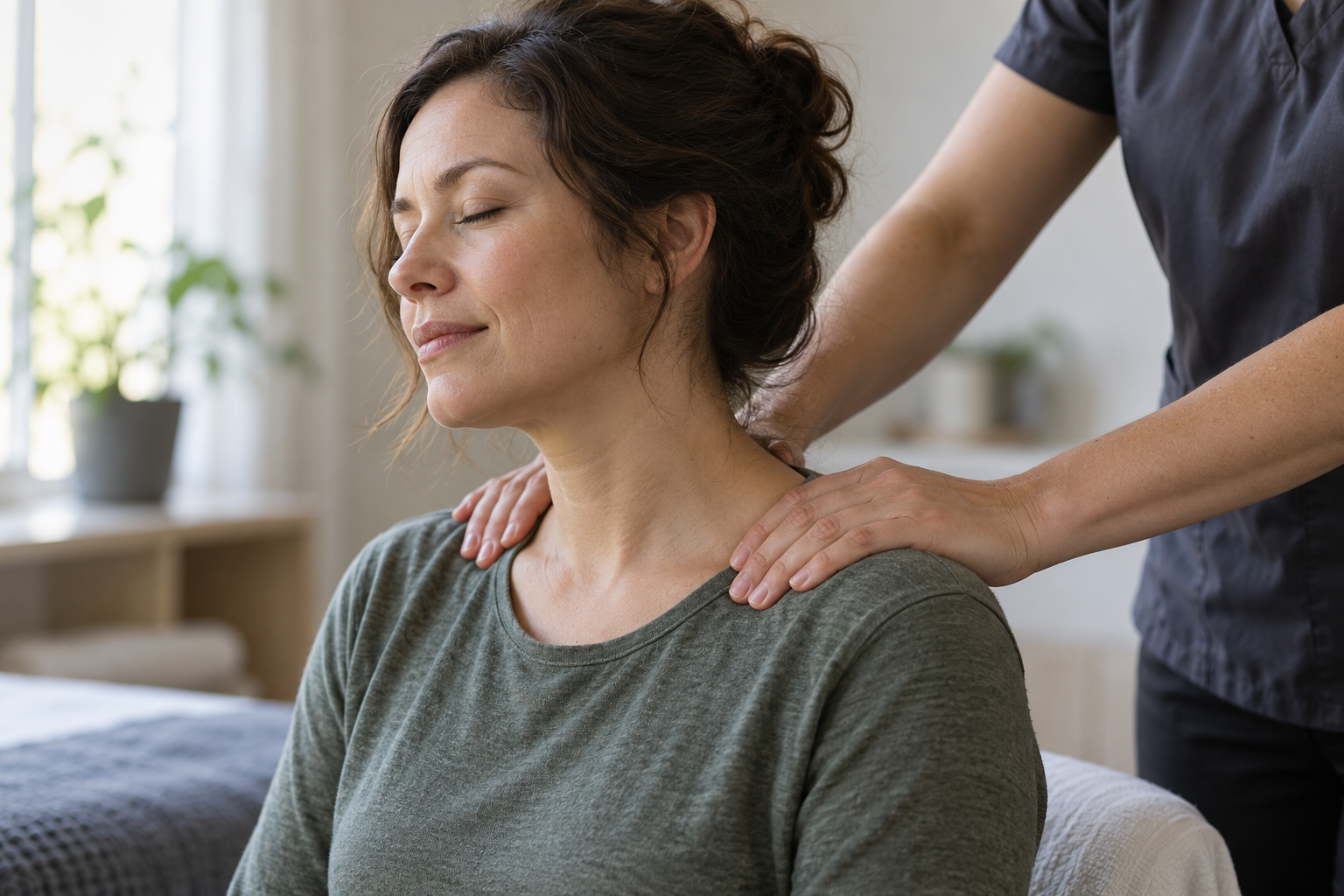
We don’t usually think of massage as meditation. We think of it as something we receive: someone works on our muscles, and we lie there while it happens. But that description leaves out an important part of the experience—what we are doing with our attention.
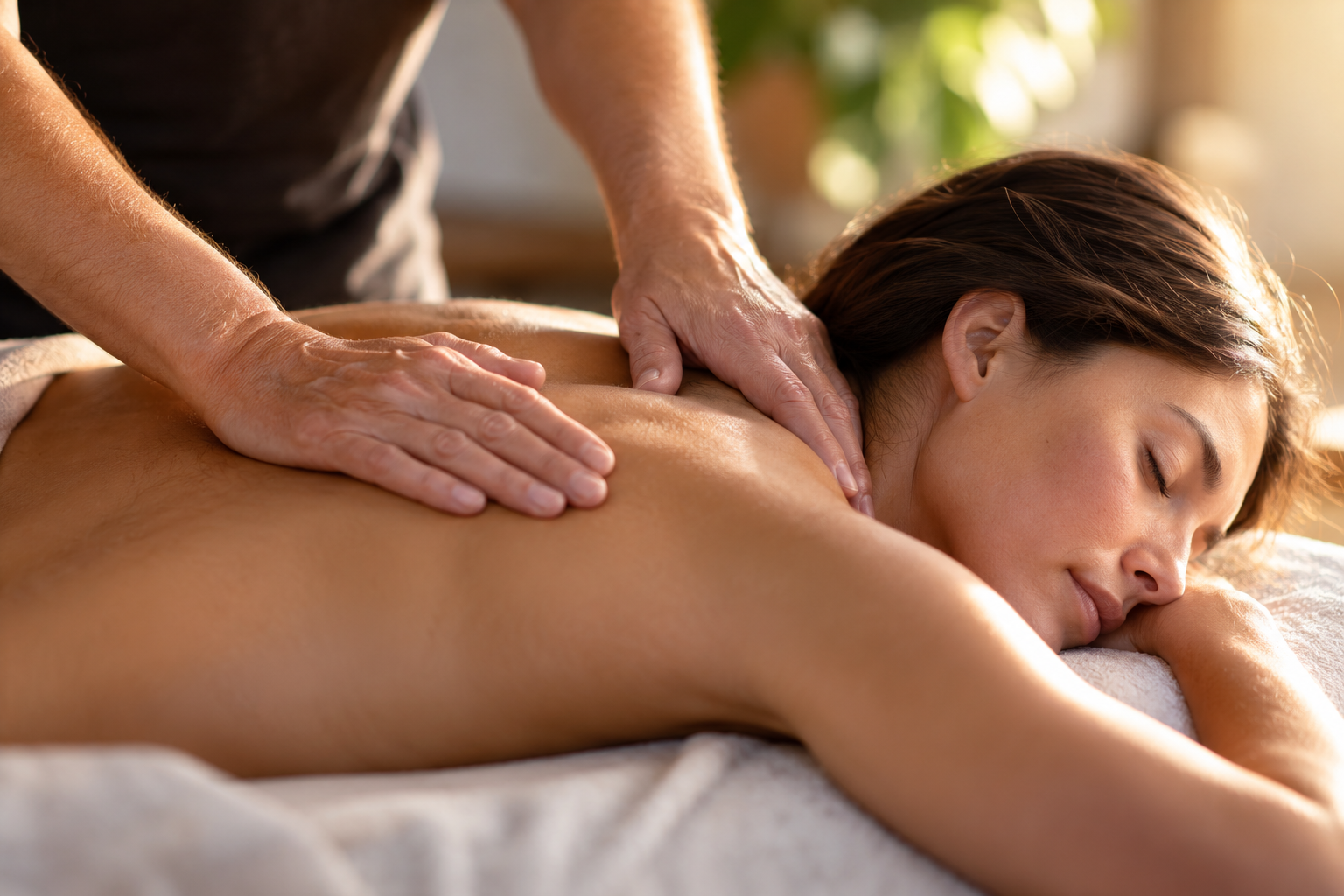
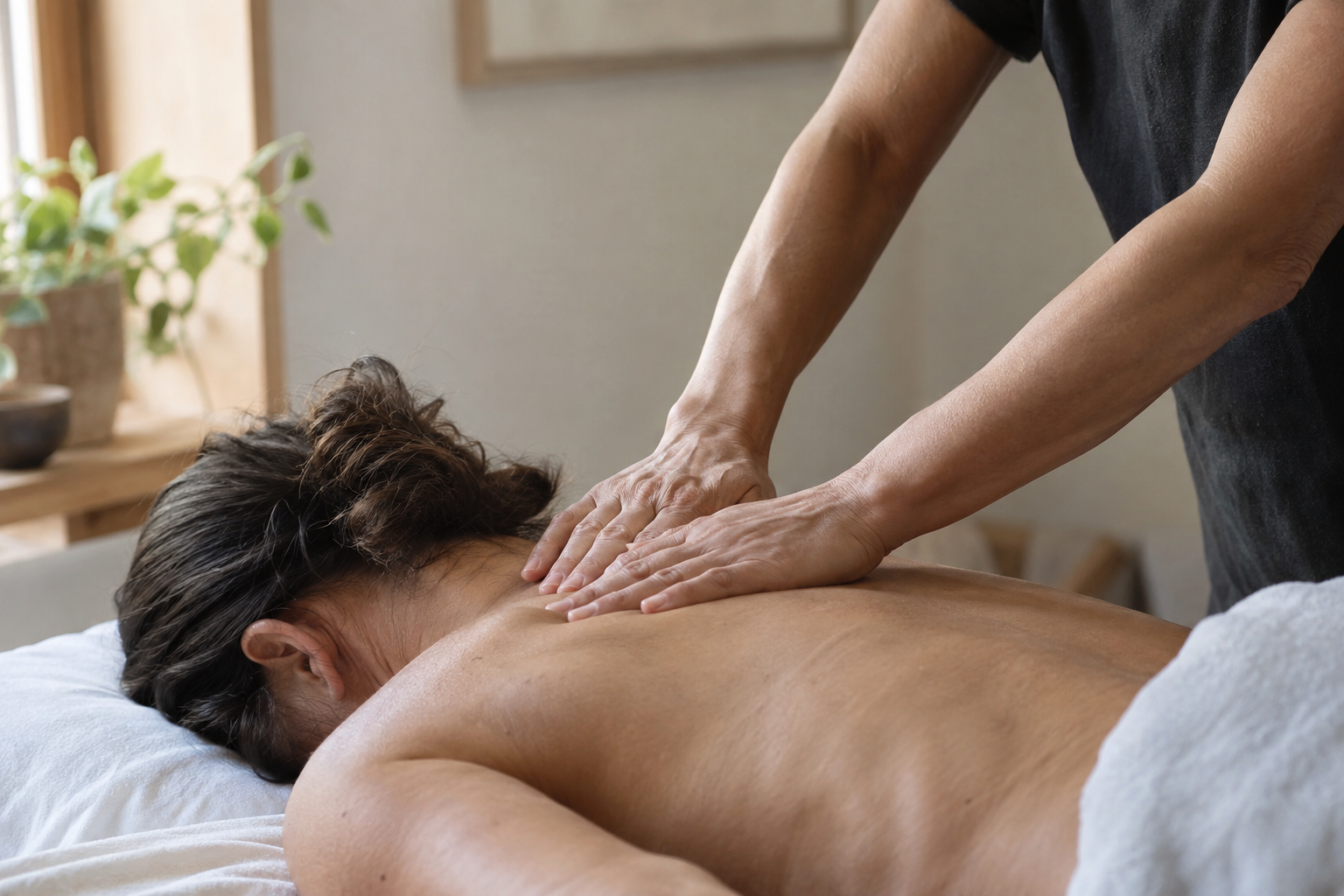
During a massage, touch gives attention somewhere to land. We notice pressure, movement, warmth, and the changing contours of sensation. As the therapist’s hands move, our attention can follow. When our minds wander into tomorrow’s responsibilities or yesterday’s conversation, the next sensation offers a way back.
In this sense, massage can become a guided somatic meditation: an opportunity to attend to bodily experience, with another person providing the guide through touch.
The guidance doesn’t require spoken instructions. There may be no invitation to “notice your body” because touch is already making some part of the body easier to notice. There may be no instruction to “return to the present” because a change in pressure or movement offers a fresh invitation.
And this can continue for an hour—an hour with something to feel, somewhere to return, and little else we are expected to do. No messages to answer. No task to complete. No need to organize the next moment. We can simply experience this one.
Of course, not every massage is experienced this way. Sometimes we talk, plan, drift, or fall asleep. But when we attend to the sensations of touch, massage offers more than an opportunity to have our bodies worked on. It offers a whole hour in which to be present.
The on-demand Depolarizing Conversations class equips you with tools to navigate challenging discussions with empathy and understanding. Learn to bridge divides, foster connection, and communicate effectively across differences—all at your own pace!
Author
Dr. Mark Olson, Ph.D., LMT, is a neuroscientist, educator, and massage therapist whose work bridges neuroscience, bodywork, trauma-informed practice, and human experience. He holds an M.A. in Education and a Ph.D. in Neuroscience from the University of Illinois, with training in cognitive and behavioral neuropsychology and neuroanatomy. He is Education Director at the Sarasota School of Massage Therapy and chair of the advisory committee for the Boulder School of Massage Therapy. His work focuses on pain science, the neuroscience of massage and bodywork, trauma-informed care, and bringing contemporary science into massage therapy education. He is also a NARM® practitioner and develops continuing-education courses for massage therapists and other health professionals through Dr-Olson.com.